



Hi! My name is Mariz, a project manager at Mercari Engineering Office. In my role, I design business processes and services that support engineers in their growth. One of the programs that I manage is DevDojo, Mercari’s unique training program for engineering new graduates and beyond into our engineering teams.
In this blog post, I’ll take you behind the scenes, and share how DevDojo has become one of the ways we build a meaningful learning culture at Mercari.
What is DevDojo, and what makes it special?

“DevDojo” combines the words Development and Dojo, with Dojo meaning “a place for immersive learning” in Japanese. When new graduates join Mercari, they can look forward to entering DevDojo – a unique training program for engineering new graduates, built by the engineers who work on Mercari’s products every day.
DevDojo has garnered a lot of interest from core engineering teams, so it has also since been made available to existing members. It has evolved into a collaborative ecosystem rather than a traditional training program, that allows engineers to personally design courses, hands-on activities, and guide new graduates through the foundational skills needed to thrive at Mercari.
We have a list of learning materials open to the public here.
From a simple idea to a structured curriculum
When my team at the Engineering Office began designing these courses, we recognized that while AI is becoming more useful in our daily work, it cannot replace the emotional dimensions of learning. Attention, memory and motivation aren’t just cognitive functions, they are shaped by human connection.
This is why as project managers of the training program, we didn’t simply create the courses ourselves or outsource them. Instead, we asked engineers to teach the next generation.
What started out as a small collection of sessions quickly grew into a structured curriculum.
We collaborated with engineers across different tech domains to design these courses based on real learning needs: fundamental knowledge for new graduates, things they wish they had learned earlier, and common issues encountered in daily development. Each course is unique, and reflects the actual practices and challenges that engineers face in their teams.
How engineers build and deliver courses
DevDojo may look like a straightforward series of courses, but the work behind each one is extensive. Engineers begin by identifying the essential concepts new graduates should understand. They draft explanations, design hands-on tasks using real system components, and we help them to map out a learning path.
Much of this preparation happens through recurring discussions with fellow engineers. It can be challenging to determine the appropriate level for new graduates and make sure they don’t feel overwhelmed.
These conversations often lead to improvement in course materials and engineering practices, as our instructors personally guide each session, and use their own professional experience to illustrate how engineers work at Mercari. Their personal insights add depth and character to every course.
DevDojo is not a static curriculum!
After every onboarding cycle, we gather feedback from both the instructors and participants. Instructors are able to run retrospectives and further refine their course materials. We send out surveys, and consolidate the data into a Looker dashboard where insights are made accessible to everybody for ongoing improvement.
This feedback loop is essential. It strengthens the identity of DevDojo as an evolving system, rather than a fixed curriculum. With every iteration, courses adapt to actual usage and remain relevant. Apart from that, we add or remove courses based on real world needs and organizational direction, ensuring the program stays current.
Building Culture through DevDojo
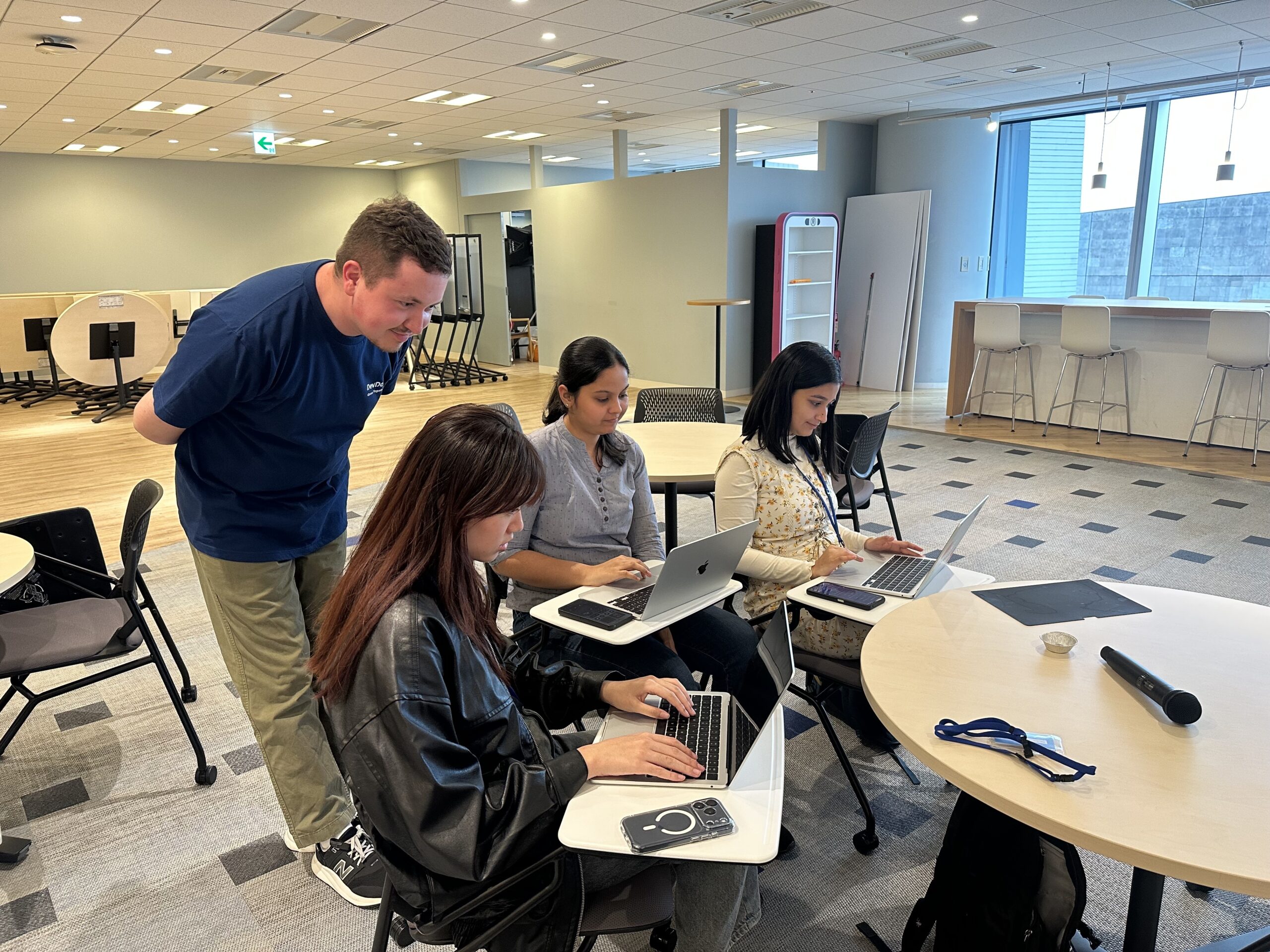
The most striking outcome of DevDojo is not the program itself, it is the culture that has formed around it. When engineers take ownership of designing and teaching courses, they demonstrate to new graduates that learning is a shared responsibility. Teaching becomes a part of engineering identity.
For new engineers joining the company, this sends a powerful message; at Mercari, knowledge is open and shared. For instructors, DevDojo becomes one of the ways to shape the next generation of teammates. This shared ownership is what gives our training program that culture-building power. As DevDojo evolves, one of the most inspiring outcomes we’ve observed is how it brings engineers together across teams and domains. The onboarding period becomes more than just training, it becomes a space where new graduates begin to cultivate understanding on how Mercari thinks, communicates, and solves problems collectively.
Before sessions officially begin, instructors gather for a kick-off session where a panel of experienced instructors shares practical insights from past DevDojo cycles. Topics include what has worked well, common challenges, and effective ways to engage with new graduates. It’s a space created for alignment and sharing ideas, helping all instructors feel more prepared and confident as they design courses and guide learners through the program.
Instructors often share real stories during sessions as well. Incidents, migrations, architectural debates, or moments of unexpected teamwork. Apart from being technical anecdotes, they carry the decision-making principles and values that shape Mercari’s engineering culture. New graduates don’t just learn our systems, they learn how Mercari engineers approach challenges together.
Where we go from here
As DevDojo continues to mature, the question we continually ask is not “What new courses should we add?” but rather, “How do we continue to provide a meaningful program to all engineers?”
Looking ahead, we want to preserve this cycle of shared ownership. That means continuing to refine the program based on real engineering needs, creating spaces where instructors can collaborate across domains, and ensuring every new engineer feels connected not just to their team, but to the broader Mercari ecosystem. We also want to keep DevDojo’s bottom-up culture alive, and support instructors in experimenting with new ways of teaching. Apart from that, we’ve begun using AI to collect suggestions from across the organization, helping us identify themes and learning needs more quickly.
Ultimately, both the culture and trajectory of DevDojo are rooted in the people. The program works not because it’s already perfectly structured, but because engineers choose to shape it together. We want DevDojo to remain a place where shared language is built, new engineers meet future collaborators, and teaching becomes a natural extension in their daily work. The more engineers are able to contribute, the stronger our community becomes, and the more knowledge flows across boundaries rather than staying siloed.